



Have an idea?
Test it before you build it.
We turn it into working prototypes, put them in front of your actual users, and hand you a clear build, change, or stop call. One fixed price, three weeks, no guesswork.
Trusted by teams we're proud to work with
“A terrific UX designer and a masterful project manager who always delivered on time.”

“"We were looking for more than just an agency; we needed a partner to help reimagine our logo, modernize our branding, and improve our website. VisualBoston's expertise, attention to quality, and collaboration made it clear we made the right choice. Now, our leading technology is matched by top-tier design. We highly recommend the VB team and look forward to working with them again."”

“A valuable asset in building immediate credibility with potential clients.”

“Delivered 120% of what they promised, on time and on budget.”

“A solid design strategy backed by a wealth of research into our market and what would help us stand out.”

“The perfect extension to a scaling company in need of product expertise.”

“High-quality product design and user testing, from a team that integrates like your own.”

“Skill and attention to detail in both design and development is a rare combination.”

“Masterfully transformed our complex requirements into a visually stunning website.”

Some of the teams we've worked with
Find out if your idea is worth building, before you invest the money, time, and focus to build it.
Most products don't fail because they were built badly. They fail because no one checked whether people actually wanted them.
of failed startups cite poor product-market fit. They built something the market did not want.
CB Insights, 2026of U.S. adults are more concerned than excited about AI in daily life. Just 10% are more excited.
Pew Research, 2025An AI can hand you a hundred plausible answers in seconds. Knowing which to trust is the craft. Running the tests that get answers from real people is what product designers like us do.
Do people actually want this?
Both ways start the same, with market research and workshops together. Then they split.
- Market research
- Workshops, together
- Questionnaires and interviews
- Still gathering insights, months in
- Market research
- Workshops, together
- Real prototypes, wired with analytics
- Several concepts, side by side
- Ads driving real traffic
- Launched to real users
Everything above, in three weeks. Not three months.
Think of it as the traditional validation playbook on steroids. Being fully AI-native lets us test assumptions and ideas far faster, so you go to market with a focused, evidence-backed direction instead of throwing ideas at the wall to see what sticks.
Agree on the real problem, then build what we test.
- Workshops to lock in your brand and positioning
- AI-agentic research: a SWOT, competitors, and pricing
- Up to three realistic three-to-five page concepts, with on-brand AI visuals
Put it in front of real people, then fix what they trip on.
- Moderated interviews with real prospects
- Five-second, headline, and price tests
- A refinement pass on whatever the sessions surface
Send real strangers to the pages, then give you a straight answer.
- A thousand dollars of ad spend, aimed at the channel your audience is actually on, from Google, Meta, Reddit, TikTok, or LinkedIn
- A price test, the same page shown at two prices
- A discovery report: build, change, or stop
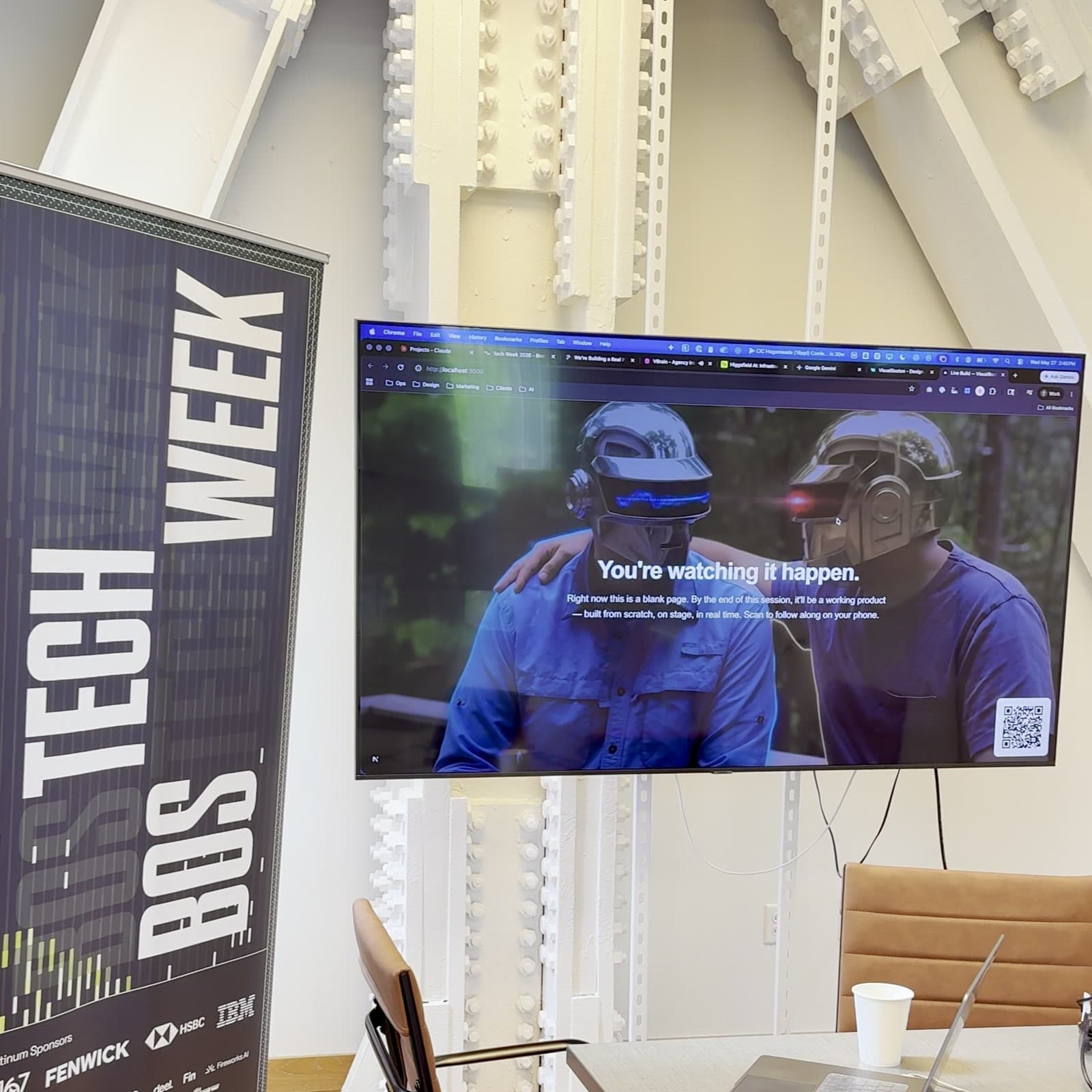
Inside a remote workshop
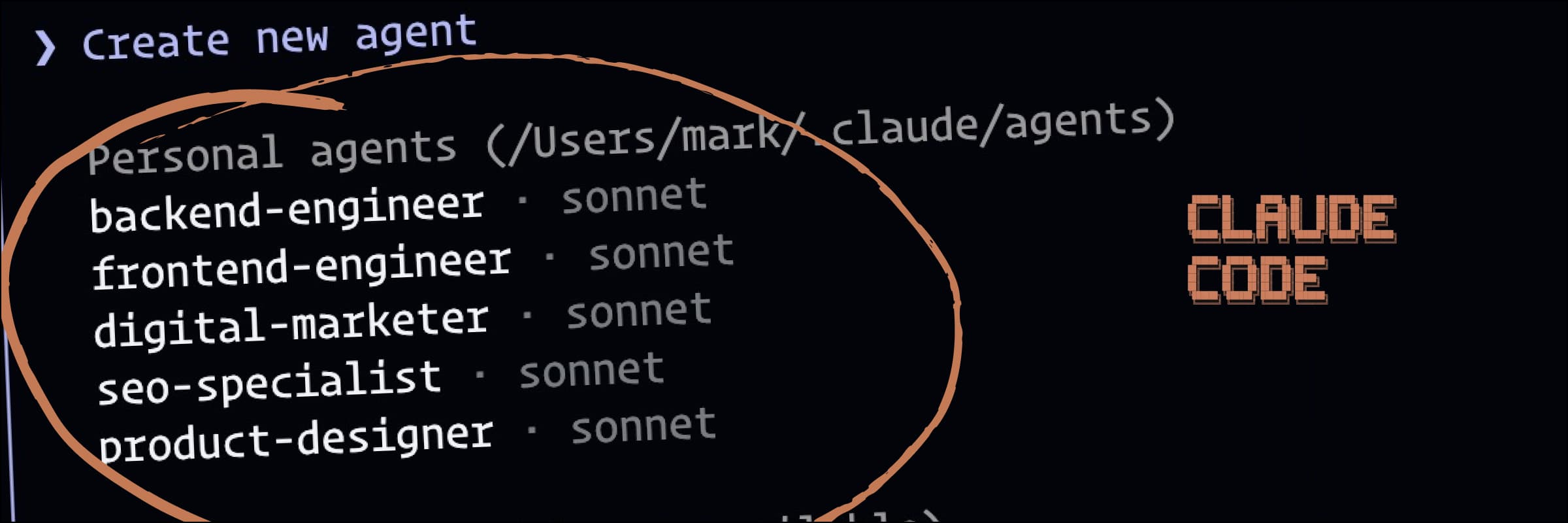
It opens with live sessions online, on your calendar. We align on your brand, your customer, and the real problem first. From there we design a few light concepts in Figma, then move straight into coded versions with Claude Code, so you test real working sites, not static mockups. Rushing to AI before that alignment is how teams build the wrong thing quickly.
 VisualBoston
Help teams validate before they build
They stop wasting months on the wrong thing
Nobody should build what no one wants
VisualBostonWe fill in the fundamentals together
Across the first two days we work through the brand exercises live, from purpose and positioning to voice, personality, and tagline. Even when you feel sure of the answers, doing it as a team surfaces the gaps.
Then our AI does the digging
While we align as a team, agentic research pulls the market together fast, so the concepts we build are grounded in what is really out there, not in guesses.
- A SWOT analysis for your idea and its market
- A visual competitor teardown, with homepages, pricing, and onboarding captured side by side
- How rivals price, package, and position, pulled into one view
- The category landscape, and the gaps worth aiming at
- Audience, demand, and search signals worth testing
- Objection and messaging patterns pulled from real reviews
We come first, then hand your brand team real evidence.
A brand strategy agency shapes how you look and sound. We prove what people actually want first, so that work is built on evidence instead of assumptions.
Brand agency: Identity, messaging, and the long-term brand
VisualBoston: Validating the product idea with real users
Brand agency: Usually once there is a product to brand
VisualBoston: First, before you commit to building
Brand agency: Positioning, naming, and visual identity
VisualBoston: Real prototypes, moderated and unmoderated testing, live traffic
Brand agency: A brand platform and guidelines
VisualBoston: Evidence: what people want, will pay for, and where it breaks
We recommend holding off on a product name or a full visual identity until you know people want the thing, because it is easy to fall for a logo on a product the market never asked for. Once the evidence is in, we can take on the visual identity ourselves, or point you to a brand strategy partner we trust.
You don't have to guess your way through moments like these.
- You have a new idea and want evidence before building it
- You're deciding how to price or package an offer
- You're about to launch and aren't sure your messaging lands
- You're preparing a redesign and want feedback early
- Your team disagrees on what the problem is
The questions we help you answer
A sprint is built around the questions that decide whether your idea works, whatever stage you're at.
Will people want this?
Put a concept, prototype, or landing page in front of your target audience before you build, and see whether it resonates.
What might they be willing to pay?
Test subscription tiers, which features belong in each, and whether people even understand your pricing model, like AI credits, before you set it.
Does our message land?
Test headlines, positioning, and value props with your target buyers before you spend on a launch or campaign.
What's holding people back?
Uncover the questions and objections people have about your product or service, so you can answer them upfront.
Can people actually use it?
Watch real people move through your product on desktop or mobile, and find exactly where they get stuck.
Is the new version better?
Test a redesign side by side with your current version to measure whether it actually improves the experience.
The Sprint itself is new, but the research behind it is not. It packages the product and user-testing work we've done for teams for years.
“VisualBoston gave us a solid design strategy backed by a wealth of research into our market and what would help us stand out. Truly experts in their field.”
How we test
Every sprint is remote. We run moderated and unmoderated sessions, and recommend the right mix for your question and your budget.
Live, one-on-one video sessions guided by a researcher.
- The why behind people’s reactions, not just what they clicked
- Follow-up questions asked in the moment
- Recordings you can rewatch and share with your team
Early concepts, complex products, and understanding motivations.
You leave with a decision, and the evidence behind it.
Not a deck of opinions. A clear recommendation, the research that backs it, and everything we built along the way.
- A discovery report with a clear build, change, or stop recommendation
- The evidence behind it: what people want, will pay for, and where it breaks
- The actual coded prototypes we built, real working sites wired with analytics
- Session recordings and highlight clips to share with your team
- Your assumptions rescored: confirmed, changed, or dropped
- A recommended audience and offer to focus on next
The evidence backs it. Move forward with a validated direction and the prototypes to build from.
People want something adjacent. Pivot the audience, offer, or positioning before you sink months in.
The demand is not there. Save the months and budget, and put them toward a better idea.
Even a “stop” is a win. Knowing early is the whole point.
One fixed price, everything included.
- Strategy session and brand exercises
- Up to three realistic three-to-five page site concepts
- Up to 12 moderated and 30 unmoderated participants
- We recruit, schedule, and pay every incentive
- $1,000 of ad spend to real traffic
- A report with a build, change, or stop call
Half to get started, half at hand-off. Payment methods in the FAQ.
Common questions
The Sprint includes up to 12 moderated sessions and 30 unmoderated participants in one audience, which covers most single-segment tests well. If you are testing several segments, or want a larger read on pricing and messaging, we will recommend and scope the right number up front.

I have been part of too many projects where we shipped a beautiful, well-built product that turned out to be a vitamin, not a painkiller. AI has made it easy to get instant validation from an LLM and build something huge without ever stepping back to ask the questions that matter. Who is this really for, do they actually need it, and why now? Testing is how you answer that with real people instead of a guess, and being AI-native lets us do it in far less time and cost, so you move forward knowing you are building the right thing.
Have an idea? Let's find out if it's worth building.
In three weeks, you'll know what people want, what they'll pay for, and where the idea falls apart, before you spend months on it.